

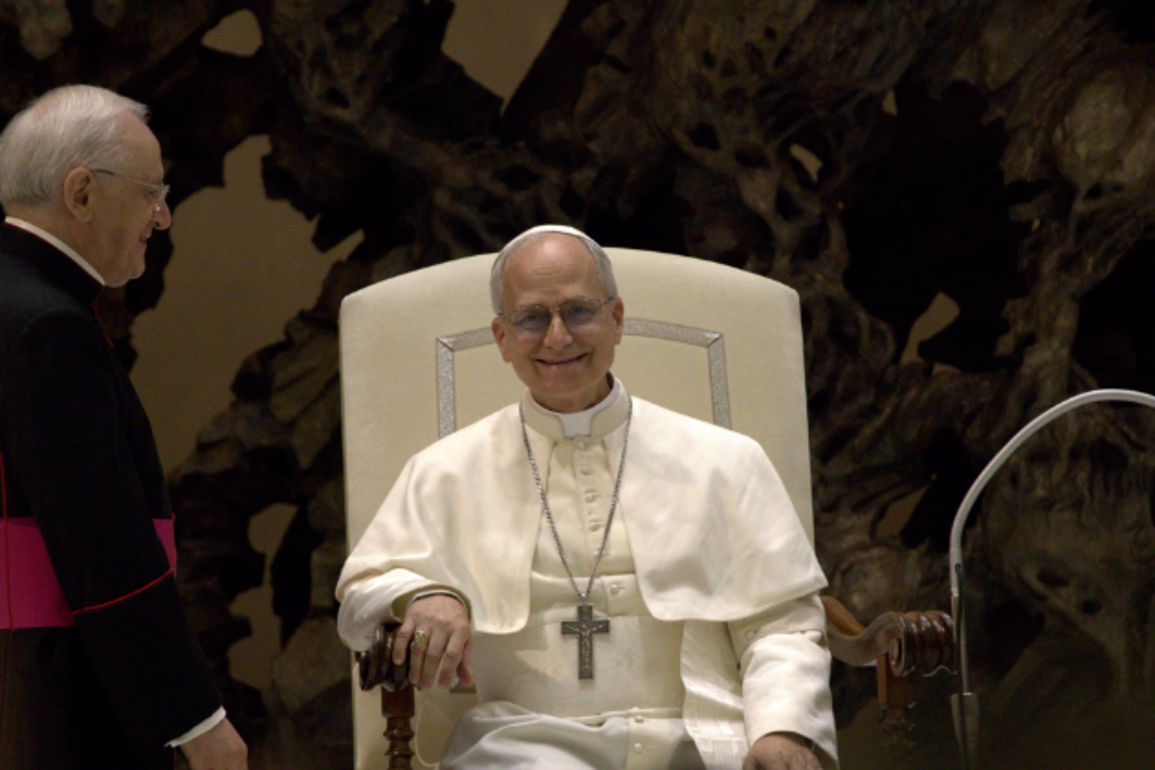
VATICAN CITY: Pope Leo XIV made a historic apology on May 25 for the role the Holy See played in supporting slavery and for not condemning it for many centuries. He described this history as a "wound in Christian memory."
Earlier popes had apologized for the involvement of Christians in the trans-Atlantic slave trade. However, no pope had openly admitted or apologized for the actions of past popes who gave European rulers permission to conquer and enslave non-Christians.
Leo XIV, the first U.S.-born pope, made this apology in his first official letter, "Magnifica Humanitas" (Magnificent Humanity), released on May 25. His own family history includes both enslaved people and slave owners.
In the same document, he also called for stronger control over artificial intelligence. He said developers should focus on the common good rather than profit and warned about the need to protect humanity as AI affects many areas, from jobs to warfare.
He connected the history of slavery with modern problems, saying new forms of exploitation are emerging through the digital revolution. For example, he pointed to poor labor conditions in mining rare minerals used to make AI chips.
Anthea Butler said the pope needed to admit the Church's role in slavery to speak honestly about today's issues of technological exploitation. She said this apology is important, especially for descendants of enslaved people.
Black Catholic groups, activists, and scholars have long asked the Vatican to fully take responsibility for its role in slavery, beyond general apologies about individual Christians.
In his message, Leo expressed deep sorrow for the suffering and humiliation caused by slavery and asked for forgiveness on behalf of the Church.
The Vatican has long said it supported the dignity of all people as children of God. However, historical documents from the 15th century show that it allowed Portuguese rulers to conquer parts of Africa and the Americas and enslave non-Christians.
Leo also noted that his namesake, Pope Leo XIII, was the first pope to clearly condemn slavery in 1888, long after many countries had already ended it. Before that, even Church institutions owned slaves.
In his letter, Leo acknowledged that in earlier times, the Church sometimes responded to rulers by allowing and regulating systems of control, including, in some cases, the enslavement of non-Christians.